

How Influence Takes Root – TruthAfrica Monitor
Leverage grows when foreign actors become embedded in media, security structures and social institutions shaping who is trusted, heard and able to exert lasting influence.
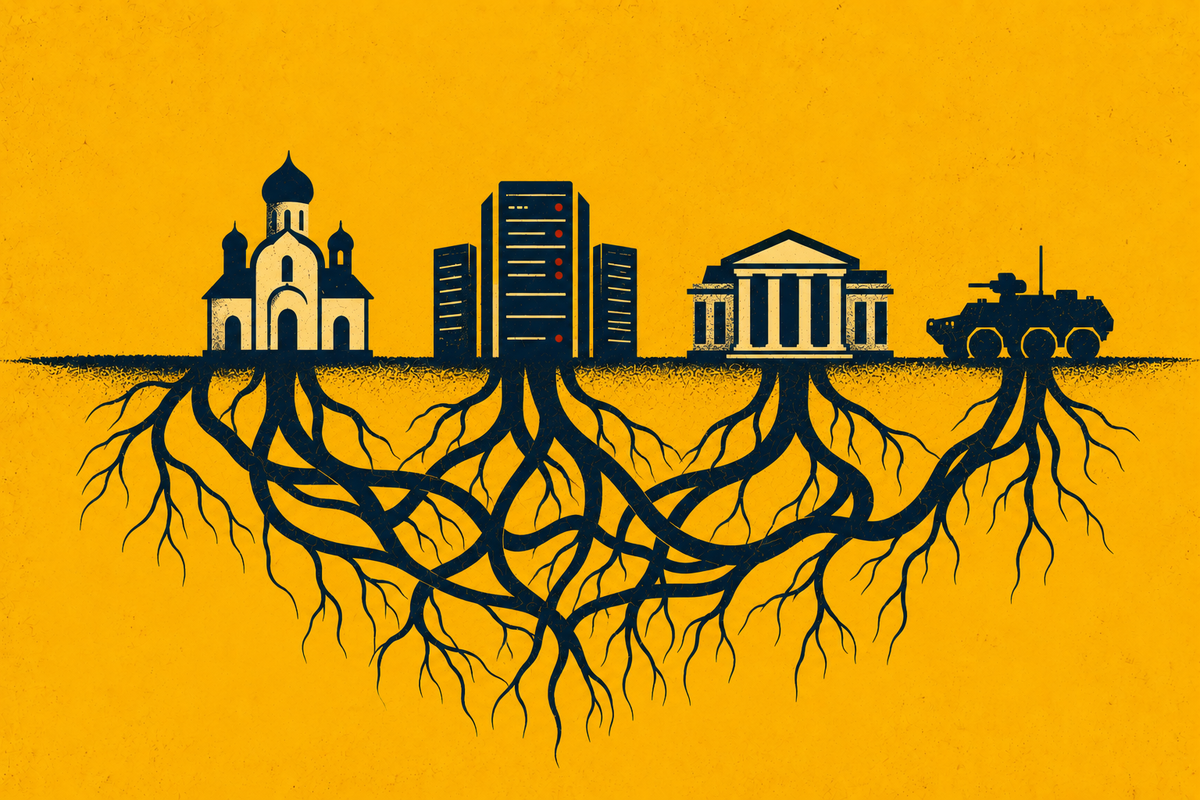
Influence becomes harder to trace when it is carried by structures that already have their own legitimacy. Security ties, media networks and debates over sovereignty can all become channels through which political power travels. In Africa, this often blurs the line between persuasion, partnership and dependence, making influence less visible precisely as it becomes more durable.
Digital colonialism: real dependence, useful narrative
The narrative of “digital colonialism” resonates because it draws on real dependencies. Africa hosts only a small share of the world’s data-centre infrastructure, while many countries remain reliant on foreign providers for cloud services, infrastructure, software and computing capacity. The issue is therefore not only access to technology, but also where African data is stored, who controls the infrastructure and who captures the value generated from it. The African Union is itself developing frameworks for data governance and digital sovereignty. Russian media take this existing concern and give it a distinctly geopolitical interpretation. Sputnik presents local data centres, African-trained AI and greater control over the value generated from African data as elements of digital sovereignty, while Maria Zakharova places technological dominance within a broader narrative of neocolonialism. The strength of this narrative lies precisely in the fact that it does not need to invent the problem. It can take a genuine debate about data ownership and recast it as a dispute over the West.
The stakes are also very concrete: decisions on data localisation, public procurement, technological standards or preferences for local suppliers may shape which companies and countries build Africa’s digital infrastructure in the years ahead. Russian messaging does not create these changes, but it can influence how the choice between competing partners is interpreted politically.
Russian Orthodoxy: religion as an infrastructure of influence
The Russian Orthodox Church is building a presence in Africa that extends beyond religious activity. The African Exarchate, established in 2021, is developing parishes, training local clergy in Russia and building schools, wells and other social projects around its communities. During an August visit to Kenya, the Russian exarch consecrated three churches and foundation stones for six more, as well as for a new school building; construction is also under way on the Exarchate’s first clinic in Africa. In January, the Russian Church received official legal status in Cameroon.
This expansion is accompanied by a clear political narrative. African Initiative portrays African clergy moving under Moscow’s jurisdiction through the language of anti-colonialism and African agency, while representatives of the Russian Church accuse the Patriarchate of Alexandria of failing to respect Africans’ independent choices. The dispute also has a clear ecclesiastical and geopolitical origin: Moscow established the Exarchate after the Patriarchate of Alexandria recognised the independent Orthodox Church of Ukraine. The significance of parishes, schools and social projects therefore lies in more than simply building goodwill towards Russia. They create lasting networks of clergy, students and local communities through which Russia’s political presence may gain social legitimacy.
Research on Russian soft power in Africa identifies the religious diplomacy of the Russian Orthodox Church as one element of a broader influence ecosystem, alongside media, education and references to the Soviet Union’s anti-colonial legacy. Unlike messaging from RT or Sputnik, this form of influence does not arrive as an explicitly geopolitical message but as part of the everyday life of local communities — potentially making it less visible and more resilient to political change.